
The Top 10 Vaping Trends and Innovations in 2025
The Top 10 Vaping Trends and Innovations in 2025
A Deep Dive into the Future of Vaping
The vaping industry has undergone a remarkable transformation since its inception, evolving from a niche alternative to traditional smoking into a global phenomenon. As of April 9, 2025, the industry continues to grow, driven by technological advancements, shifting consumer preferences, and an ever-changing regulatory landscape. With vaping adoption surpassing 11% in 2024 and expected to continue rising, according to the Office of National Statistics (ONS), the stage is set for a year of groundbreaking innovations. This article explores the top 10 vaping trends and innovations for 2025, offering a comprehensive look at what’s shaping the future of vaping. From smart technology to sustainability, these trends reflect the industry’s commitment to enhancing user experience, promoting harm reduction, and adapting to global challenges.
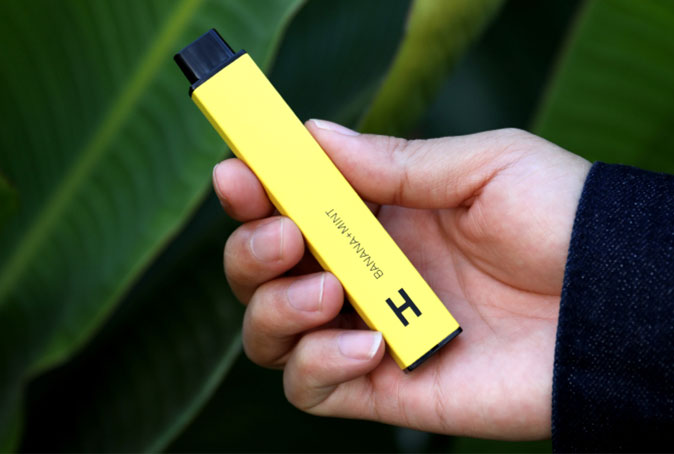

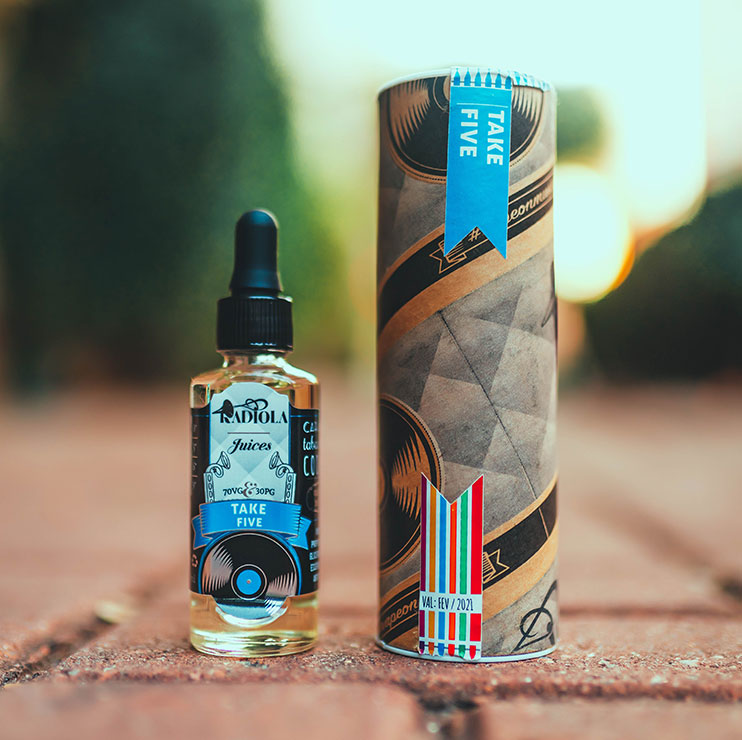
1. The Rise of Smart Vaping Technology: AI and App Integration
One of the most significant trends in 2025 is the integration of smart technology into vaping devices, a development that’s revolutionizing the user experience. Artificial intelligence (AI) and app connectivity are no longer futuristic concepts but are now standard features in high-end vape devices. These smart vapes can analyze user behavior, adjust settings in real-time, and provide a highly personalized vaping experience.
For instance, devices equipped with AI can monitor puff frequency, nicotine intake, and even vaping habits to optimize temperature and power settings for better flavor and vapor production. Some models, like the advanced mods featuring the DNA250C chipset, allow users to fine-tune their preferences with precision through companion apps. These apps offer features such as puff counters, battery monitoring, and even the ability to set limits on nicotine consumption, catering to users looking to reduce dependency.
The Dot Pro system exemplifies this trend, incorporating adjustable settings and intelligent power management. This level of customization reflects a growing consumer demand for control and consistency, as noted in industry insights from vape2stop.net. However, this trend also raises questions about privacy. With devices collecting data on usage patterns, there’s a risk of data misuse, especially in regions with stringent regulations. Manufacturers will need to prioritize transparency and robust data protection to maintain consumer trust.
2. Sustainability Takes Center Stage: Eco-Friendly Vaping Solutions
Environmental consciousness is a driving force in 2025, with the vaping industry making significant strides toward sustainability. The impending ban on disposable vapes in the UK, set to take effect on June 1, 2025, has accelerated the shift toward reusable and eco-friendly devices. This regulatory change, combined with consumer demand for greener products, is pushing manufacturers to innovate.
Reusable pod systems are gaining traction as a sustainable alternative to disposables. These systems, such as the Vuse ePod and Blu vape devices, allow users to recharge and refill their devices, reducing waste while offering a customizable experience. Additionally, brands are adopting biodegradable pods and packaging, as well as sustainable production practices like using solar energy. For example, some companies have introduced pods with miniature solar panels to extend battery life, a trend highlighted by smok-it.com.
This focus on sustainability aligns with broader global trends toward environmental responsibility. However, the transition isn’t without challenges. The production of biodegradable materials can be costly, and not all consumers are willing to pay a premium for eco-friendly options. Moreover, the effectiveness of these materials in reducing environmental impact remains under scrutiny, as improper disposal can still lead to pollution. The industry must balance innovation with education to ensure these solutions have a meaningful impact.
3. Advanced Coil Technology: Enhancing Flavor and Vapor Production
Coil technology is at the heart of the vaping experience, and 2025 is seeing significant advancements in this area. Mesh coils are emerging as the leading innovation, offering better heat distribution, stronger flavor, and smoother vaping with fewer dry hits. These coils, as noted by ninja-vapes.co.uk, are becoming the go-to choice for both casual and seasoned vapers.
Beyond mesh coils, manufacturers are experimenting with enhanced heating systems that ensure uniform heat distribution, preventing overheating and preserving device durability. This is particularly important for users who prioritize flavor consistency, as uneven heating can degrade e-liquid quality over time. The latest Blu devices, for instance, incorporate sophisticated coil systems that work in tandem with specially formulated e-liquids to maximize performance.
While these advancements are a boon for flavor enthusiasts, they also highlight a potential downside: increased complexity. Advanced coils may require more maintenance, which could deter beginners who prefer the simplicity of disposable devices. The industry will need to strike a balance between innovation and user-friendliness to ensure broad adoption.
4. The Surge of Nicotine-Free and Low-Nicotine Options
Health consciousness is a growing trend in 2025, with more vapers seeking nicotine-free and low-nicotine e-liquids. This shift aligns with global wellness initiatives and positions vaping as a flexible choice for those prioritizing their well-being. As noted by chemnovatic.com, manufacturers are responding by developing innovative alternatives that cater to health-conscious consumers without sacrificing the vaping experience.
Nicotine-free flavors, such as tropical fruits, dessert-inspired blends, and beverages, are dominating the market. These options allow users to enjoy vaping for its flavor and cloud production rather than its nicotine content. Additionally, advancements in nicotine salts have made low-nicotine options more appealing by delivering a smoother throat hit and faster absorption, making them ideal for smokers transitioning to vaping.
This trend is a positive step toward harm reduction, but it also raises questions about the long-term effects of inhaling non-nicotine aerosols. While vaping is widely considered less harmful than smoking, the presence of chemicals like propylene glycol and flavorings still poses potential risks. More research is needed to fully understand the health implications, and manufacturers should prioritize transparency about their ingredients to build consumer confidence.
5. Flavor Innovation: Exotic and Customizable Profiles
Flavor remains a cornerstone of the vaping experience, and 2025 is seeing an explosion of exotic and customizable flavor profiles. Manufacturers are pushing the boundaries with unique blends inspired by global cuisines, such as spiced chai from India or taro from Asia, as highlighted by ninja-vapes.co.uk. These cultural flavors reflect the industry’s growing global market and cater to adventurous vapers seeking new sensory experiences.
Another exciting development is the rise of “DIY” flavor kits, which allow users to mix and match e-liquids to create personalized blends. This trend, noted by vapeandgo.co.uk, is driven by consumer feedback and social media engagement, where brands actively involve their audience in flavor development. However, flavor bans in various regions, such as the UK’s potential restrictions on very sweet flavors, are prompting manufacturers to focus on less sweet, more traditional profiles that appeal to mature palates.
While flavor innovation is a major draw for vapers, it also fuels concerns about youth appeal. The popularity of candy and dessert flavors among young users, as reported by whfoods.org, has led to stricter regulations aimed at curbing underage vaping. The industry must navigate these challenges by balancing creativity with responsibility, ensuring that new flavors don’t inadvertently attract non-smokers or minors.
6. Refillable Pods and Closed Pod Systems: The Future of Convenience
With disposable vapes facing bans in multiple regions, refillable pods and closed pod systems are set to dominate the market in 2025. These systems offer a balance of convenience, reliability, and sustainability, making them an attractive option for both beginners and experienced vapers. The Elf Bar Elfa Pro, for example, features improved coil designs and a sealed pod system that ensures consistent vapor quality and flavor.
Refillable pods allow users to experiment with different e-liquids and nicotine strengths, offering greater flexibility than disposables. Closed pod systems, on the other hand, require minimal maintenance and reduce the risk of e-liquid leakage, enhancing user satisfaction. As noted by darksidevapes.com, these systems are predicted to grow in popularity due to their user-friendly design and cost-effectiveness.
However, the shift to refillable systems may face resistance from users accustomed to the simplicity of disposables. Additionally, the environmental benefits of refillable pods depend on proper recycling practices, which many consumers may not follow. The industry will need to invest in education and infrastructure to maximize the impact of this trend.
7. Synthetic Nicotine: A Cleaner, More Stable Alternative
Synthetic nicotine is gaining traction in 2025, offering a cleaner and more stable alternative to traditional nicotine extracted from tobacco. Unlike its tobacco-derived counterpart, synthetic nicotine eliminates impurities and unwanted compounds, providing a smoother and more consistent vaping experience. This innovation, highlighted by smok-it.com, is particularly appealing to users seeking a purer product.
Synthetic nicotine also offers a workaround for regulatory challenges, as it’s not derived from tobacco and may fall outside certain tobacco-related restrictions. However, this loophole is likely to close as regulators catch up, with new policies focusing on ingredient transparency and safety standards. The adoption of synthetic nicotine reflects the industry’s resilience in navigating regulatory hurdles, but it also underscores the need for rigorous testing to ensure its long-term safety.
8. Smart Screens and Airflow Innovations: Redefining the Vaping Experience
Vaping devices in 2025 are becoming more intuitive and user-friendly, thanks to innovations like smart screens and advanced airflow systems. Standard OLED screens are evolving into smart screens that resemble mini tablets, displaying large, accessible numbers and session information. This trend, noted by gotvape.com, makes it easier for users to monitor and adjust their settings on the go.
Airflow innovations are also transforming the vaping experience, with new devices offering group settings for sharing vapor with friends. These systems move away from the traditional “draw to inhale” style, introducing unique delivery methods that enhance social vaping. While these advancements cater to the growing popularity of vaping, they also highlight the need for education, as complex features may overwhelm beginners. Manufacturers should focus on creating intuitive interfaces to ensure accessibility for all users.
9. Personalization and Customization: Tailoring the Vaping Experience
Customization is a key trend in 2025, allowing vapers to tailor every aspect of their experience. From adjustable airflow and variable wattage to interchangeable drip tips and device skins, modern vapes are designed to reflect individual preferences. Some manufacturers are even offering options for personalized aesthetics, such as interchangeable panels or engravings, as noted by darksidevapes.com.
This trend is driven by a desire for self-expression, with vapers seeking devices that align with their personal style. However, the emphasis on customization also raises concerns about cost. High-end, customizable devices can be expensive, potentially alienating budget-conscious consumers. The industry must find ways to offer affordable personalization options to ensure inclusivity.
10. Regulatory Changes and Harm Reduction: Navigating a Complex Landscape
The vaping industry in 2025 is heavily influenced by regulatory changes, with new policies focusing on safety, environmental impact, and public health. The UK’s Tobacco and Vapes Bill, set to introduce restrictions on sweet flavors and a vape tax of £2.20 per 10ml of e-liquid, is a prime example. These regulations aim to protect children and the environment while ensuring vaping remains a viable harm reduction tool for adult smokers.
The industry is responding by developing compliant products, such as reusable devices and nicotine-free options, that meet evolving standards. However, these changes also pose challenges, as manufacturers must balance compliance with innovation. The focus on harm reduction is a positive step, but it’s tempered by ongoing debates about the long-term health effects of vaping. The industry must continue to invest in research and transparency to address these concerns and maintain public trust.
Conclusion: The Future of Vaping in 2025 and Beyond
The vaping industry in 2025 is a dynamic and forward-looking space, driven by innovation, sustainability, and a commitment to user satisfaction. From smart technology and eco-friendly solutions to advanced coil systems and exotic flavors, these trends reflect the industry’s ability to adapt to changing consumer needs and regulatory landscapes. However, they also highlight the challenges ahead, including privacy concerns, environmental impact, and the need for more research on vaping’s long-term effects.
As vaping continues to evolve, it’s clear that the future is bright for both novice and experienced vapers. Whether you’re drawn to the latest smart devices, seeking nicotine-free options, or exploring new flavor profiles, there’s something for everyone in this vibrant industry. By staying informed and engaged, vapers and industry stakeholders can navigate the challenges and opportunities of 2025, ensuring that vaping remains a safe, enjoyable, and sustainable choice for years to come.

Great article—love how it dives into 2025 vaping trends like smart tech and sustainability, which really show the industry’s evolution! However, it glosses over the potential health risks of synthetic nicotine, which feels like a missed opportunity for a deeper discussion. Still, the flavor innovation section had me excited to try some new profiles!